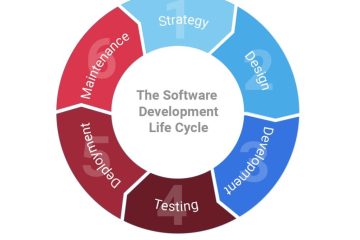
Creating a new mobile app is a complex process that requires a wide range of skills and expertise. From ideation to launch, there are several key steps that must be taken in order to create a successful and user-friendly app. Here’s what goes into creating a new mobile app:
- Ideation: The first step in creating a new mobile app is to come up with an idea. This may involve conducting market research to identify a gap in the market or identifying a problem that needs solving. The idea for the app should be unique, valuable, and solve a real-world problem for users.
- Research: Once the idea for the app has been identified, it is important to conduct thorough research to validate the concept. This may involve gathering data on competitors, user needs and behaviors, and market trends. The research stage will help determine the feasibility of the app and inform the development process.
- Design: The design stage is where the look and feel of the app are created. This includes creating wireframes, prototypes, and user interfaces that will be used in the development process. The design should be user-friendly and visually appealing, with a focus on making the app easy to use and navigate.
- Development: The development stage is where the app is actually built. This involves writing code, testing, and debugging. The development team will use the designs created in the design stage to guide their work and ensure that the app meets the specifications and requirements.
- Testing: After the app has been built, it must be thoroughly tested to ensure that it is working as intended and is free of bugs. This stage may involve conducting various types of tests, such as unit tests, integration tests, and user acceptance tests.
- Launch: Once the app has been tested and deemed ready, it is ready to be launched. This involves submitting the app to app stores, such as the App Store or Google Play, and promoting it to target users. The launch stage also involves ongoing marketing and promotional efforts to increase visibility and drive downloads.
- Maintenance: After the app has been launched, it requires ongoing maintenance to keep it running smoothly and fix any bugs that are discovered. This stage involves fixing issues, making updates, and performing any necessary upgrades.
In conclusion, creating a new mobile app is a complex process that requires a wide range of skills and expertise. From ideation to launch, each stage is critical to the success of the app, and must be carefully planned and executed. Whether you are working with a development team or building the app yourself, having a clear understanding of the steps involved in creating a new mobile app is essential for success.